Shop, Stream, Show: Social Commerce as Entertainment
Livestreams, creators, and communities are changing how people shop. Formats like Mystery Mania illustrate why social commerce is putting more and more emphasis on entertainment – and reveal what brands can learn from this trend.

Why purchasing decisions are being made earlier and earlier
For a long time, ecommerce followed a simple logic: Consumers had a need, searched for a product, and bought it. While audience attention played a role, it was rarely the main focus.
Today, the situation is somewhat different. TikTok, Twitch, YouTube, and the like have changed what people expect when it comes to digital experiences. Users spend hours every day on these platforms engaging with content, creators, and communities. The motivation to make a purchase is often triggered incidentally – perhaps when watching a video or livestream, or after coming across a recommendation.
Social commerce doesn’t just sell products
Many retailers still view social commerce as just one more sales channel. But it’s actually changing how brands are capturing consumers’ attention, building trust, and influencing purchasing decisions.
Julia Greven (LiveShopping4U), Social & Discovery Commerce Lab Lead for the Ecommerce working group at the German Association for the Digital Economy (BVDW), explains more:

“Many retailers still underestimate the potential of social commerce. The opportunity extends beyond selling through the platforms themselves to leveraging the methodology behind them: video-first, direct interaction, and emotionally engaging product presentations. Good ‘shoppertainment’ triggers the desire to shop. It’s not just need that drives customers to make purchases; they also want to find inspiration and experience a personal connection.”
That’s what lies at the heart of this trend. Effective social commerce combines entertainment, interaction, and purchase triggers. Success usually depends on a combination of three elements:
#1 Videos instead of written product descriptions
Products are shown, tried out, and evaluated. This process often builds understanding and trust more quickly than traditional product pages can. According to the “Video Marketing Statistics Report 2024” published by video production company Wyzowl, 89 percent of surveyed consumers reported that a product video had convinced them to make a purchase. Findings like this prove that visual demonstrations can lower barriers to purchase because they make it easy to see what a product’s benefits are and how it’s used.
#2 Interaction rather than one-way communication
Comments, questions, and live reactions turn viewers into active participants. Direct communication gives brands the chance to address doubts or concerns in real time and build trust during the buying process.
#3 Inspiration rather than need
Many purchases aren’t initiated by a specific search query, but rather by content that sparks curiosity and showcases products in a relevant context. Social commerce platforms therefore often promote “discovery-driven” purchases, where inspiration is what triggers the consumer’s decision to buy – a strategy known as discovery commerce.
What social commerce looks like in practice
As the following examples show, social commerce isn’t one single format. Sometimes the focus is on entertainment, sometimes on livestream shopping, and sometimes on the community itself. What all these strategies have in common is that the impulse to buy is triggered in the spaces where people consume content and interact with one another.
TikTok Shop: Livestreams as digital sales demos
On TikTok Shop, creators sell products directly from their livestreams. Viewers can ask questions, get recommendations, and buy items without leaving the platform. Formats in which products are tested, compared, or spontaneously introduced live are particularly successful. The transition from entertainment to purchase is often just a click away.
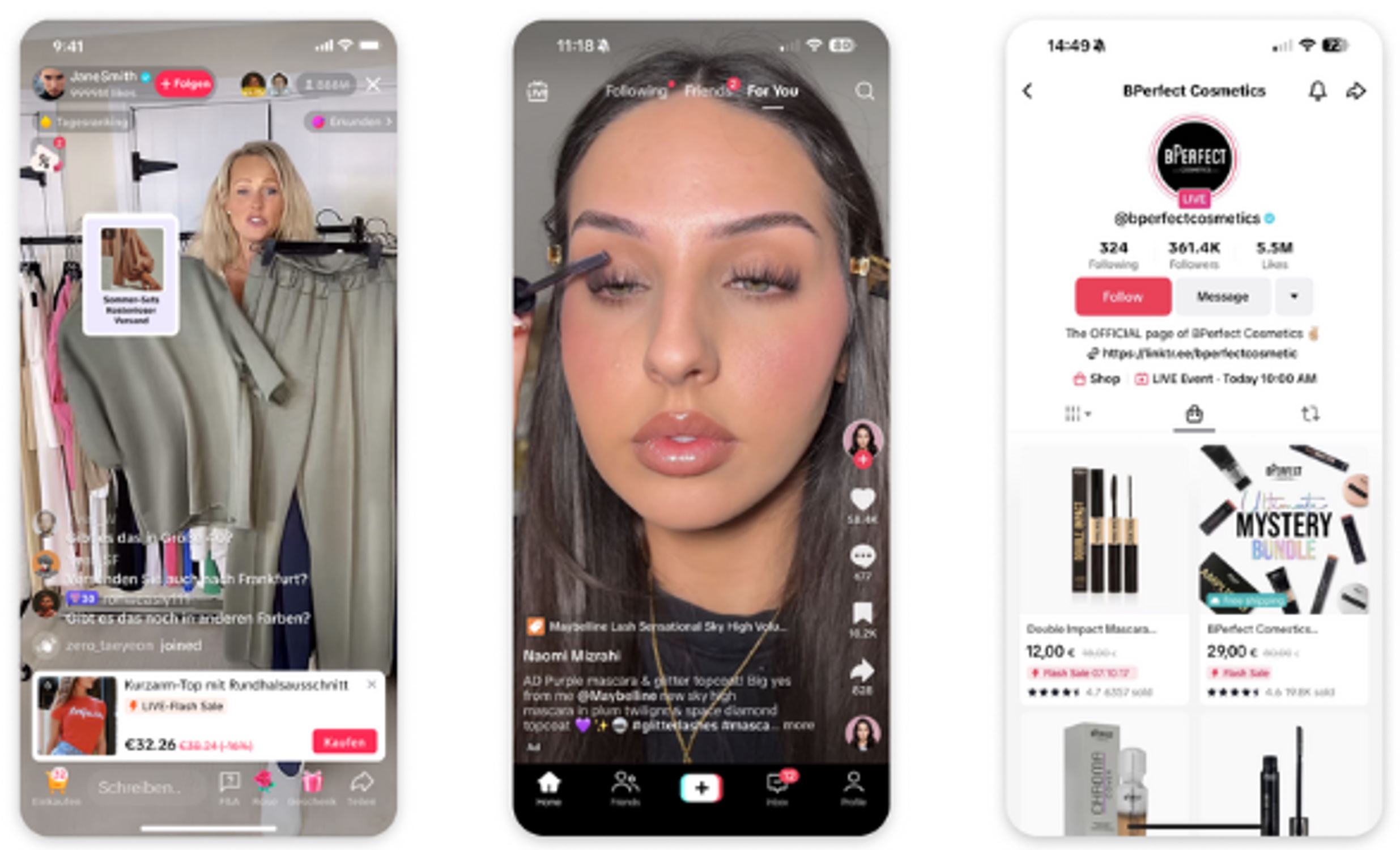
What brands can learn from this: Authentic product presentations that actively engage the community can turn audience attention directly into a purchase intent.
Twitch: Community recommendations
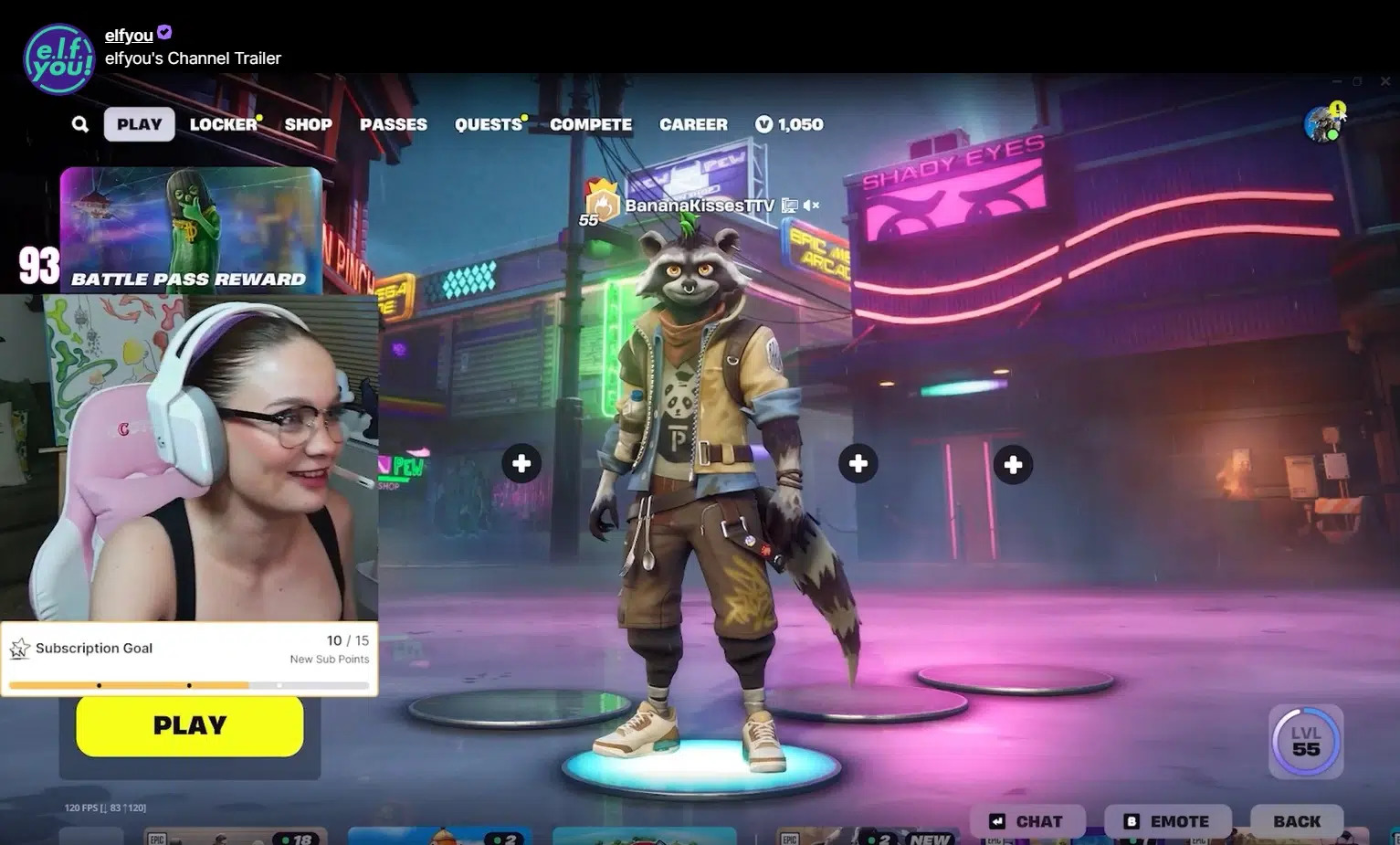
The collaboration between Twitch and the cosmetics brand e.l.f. Cosmetics is one specific example. As part of a shoppable stream, viewers had the opportunity to discover and purchase products directly during the live broadcast without having to leave the platform. Creators showcased the products live, answered questions from the chat, and integrated the brand organically into the streaming experience.
What brands can learn from this: Trust is built through continuous interaction. When products are embedded in authentic community experiences and users can communicate directly with creators, recommendations have much more credibility than traditional advertising formats.
Mystery Mania: Shopping as entertainment
Mystery Mania, eBay’s first live-selling and entertainment game show in Germany, combines ecommerce, social media, and TV-style entertainment, showcasing just how closely interconnected the worlds of shopping and entertainment have become. The show revolves around unopened boxes of returned goods, the contents of which are unknown when they go up for auction. The boxes are displayed, auctioned off, and sold live in a show that’s complete with presenters, community interaction, and the moments of surprise when everyone discovers what’s actually inside the boxes.
The mix of suspense, live experience, and direct participation is what makes the format so appealing. The act of purchasing is no longer seen merely as a transaction, but as part of a show. To some extent, the actual goods play a secondary role, while curiosity, entertainment, and the shared experience take center stage.

What brands can learn from this: People don’t just buy products. They buy thrills, entertainment, and the feeling of being part of a special moment. Formats like Mystery Mania illustrate how commerce can be more successful when it creates experiences that people want to talk about, share, and experience together.
The key takeaways from social commerce at a glance:
- Products sell better when they can be seen and experienced.
- People trust people: Creators, experts, and employees make brands more credible.
- An active community fosters a sense of connection and reduces reliance on paid reach.
- Content has long since taken on a role that goes beyond marketing, becoming the very space in which purchasing decisions are made.
Social commerce is evolving into a media format
Today, if you watch a livestream on TikTok, follow a creator on Twitch, or scroll through short product videos, chances are you’ll find yourself experiencing commerce without actively intending to shop. And that’s precisely where things have begun to change: Rather than starting with a search query, the purchasing process now often begins with entertaining content.
Products are woven into stories, tested live, or discovered together with the community. Formats like Mystery Mania show that excitement, interaction, and surprise can trigger strong impulses to make purchases, even when viewers didn’t originally have any specific intention to buy.
Social commerce capitalizes on this dynamic. Platforms are becoming spaces where entertainment, recommendations, and transactions seamlessly intertwine. Increasingly, stores are no longer the starting point of the customer journey, but rather its final step.
For brands, this has one key implication: They must learn to earn their audience’s attention. To remain relevant, brands need to offer content that people want to consume and experiences that turn viewers into customers.
To learn more about how platforms are blending customer loyalty, community, and commerce, check out the DMEXCO podcast with eBay’s Saskia Meier-Andrae.
Don’t miss any important news from the world of digital marketing, both nationally and internationally! Subscribe to the new DMEXCO newsletter “Digital Digest” and receive the latest information directly in your mailbox every Monday, Wednesday, and Friday.


With a degree in linguistics, she has an in-depth knowledge of successful communication.
After her studies, Eva worked for an online marketing agency and then spent several years in B2B marketing in the food industry.
She has been part of the DMEXCO team since 2019. Her texts mainly focus on the marketing trends of today and tomorrow as well as innovative ways of brand communication.