Scalable at Last: Virtual Try-On in Ecommerce
Thanks to AI, virtual try-on (VTO) tech is taking the fashion world by storm, boosting conversions and minimizing returns. How is this development impacting the industry? And what can other sectors learn from it?

Pain points in fashion ecommerce
Even though trends and styles are always changing, there are two persistent pain points that the online fashion industry has struggled with in recent decades:
- Potential customers don’t convert because they’re not sure how certain items of clothing or makeup will look on them.
- Customers order clothes in multiple sizes and return items that don’t fit.
While this customer behavior is perfectly understandable, it’s extremely costly for retailers. Experts now refer to returns as the “silent killer” of the fashion industry. Figures from the US reveal the extent to which the problem has grown:
- The National Retail Federation (NRF) estimates that 19.3 percent of online fashion purchases will be returned in 2025.
- Gen Z is leading this trend, with the average US customer aged 18 to 30 returning nearly eight items of clothing in 2025.
Virtual try-on: Pain relief for the fashion industry
Virtual try-on tools, which give customers the opportunity to see how products look on them online, have been around for more than a decade. However, they tended to be too expensive, too complicated, and too prone to bugs. Brands had to input 3D product data so that these sometimes very pricey tools could combine the virtual garments with users’ often poorly lit photos – with limited success.
The game changer as far as retail technology is concerned is, once again, generative AI. Modern VTO tools use new technologies to turn standard product photos into 3D models that can simulate different styles and fabrics.
Arnold Pötsch (concept to market), lead author of the “3D in Ecommerce” paper produced by the Immersive Experiences working group at the German Association for the Digital Economy (BVDW), summarizes this development as follows:

“In 2026, the technology behind virtual try-on (computer vision, AI, and real-time rendering) has advanced to such an extent that it has become a distinct competitive advantage for innovative retail businesses. Thanks to precise face and body tracking, the boundaries between physical products and digital twins are blurring. For retailers, this is the key to a personalized shopping experience, fewer returns, and increased sustainability.”
Virtual try-on: Tech with a strong ROI
VTO technology in online stores has become a critical differentiating factor in a competitive market. That’s because virtual try-on tools have three main advantages.
Advantage No. 1: More conversions
Uncertainty is a major obstacle to a positive customer experience in fashion ecommerce. VTO takes away a great deal of this hesitancy because it allows customers to see exactly what items of clothing look like on them. As a result, they’re more likely to put products in their shopping carts and complete purchases.
Advantage No. 2: Fewer returns
Returns have to be shipped, received, and processed, involving both administrative effort and physical handling. Each of these steps has a cost, which significantly impacts the overall profitability of a fashion ecommerce business. It may therefore be worth investing in VTO tools, which help customers make informed purchases, thereby reducing returns.
Advantage No. 3: More data and insights
The more activity there is in your online store, the more data you can collect. Which products are people clicking and virtually trying on? Which styles are trending? And which items should you promote in your newsletter? Insights like these are incredibly valuable in the data age.
Best-practice examples from ASOS, Breuninger, and Maybelline
Virtual try-on tools are really taking off in 2026, with more and more fashion retailers jumping on board. And the technology is gaining traction in the makeup world, too.
Best-practice example #1: ASOS
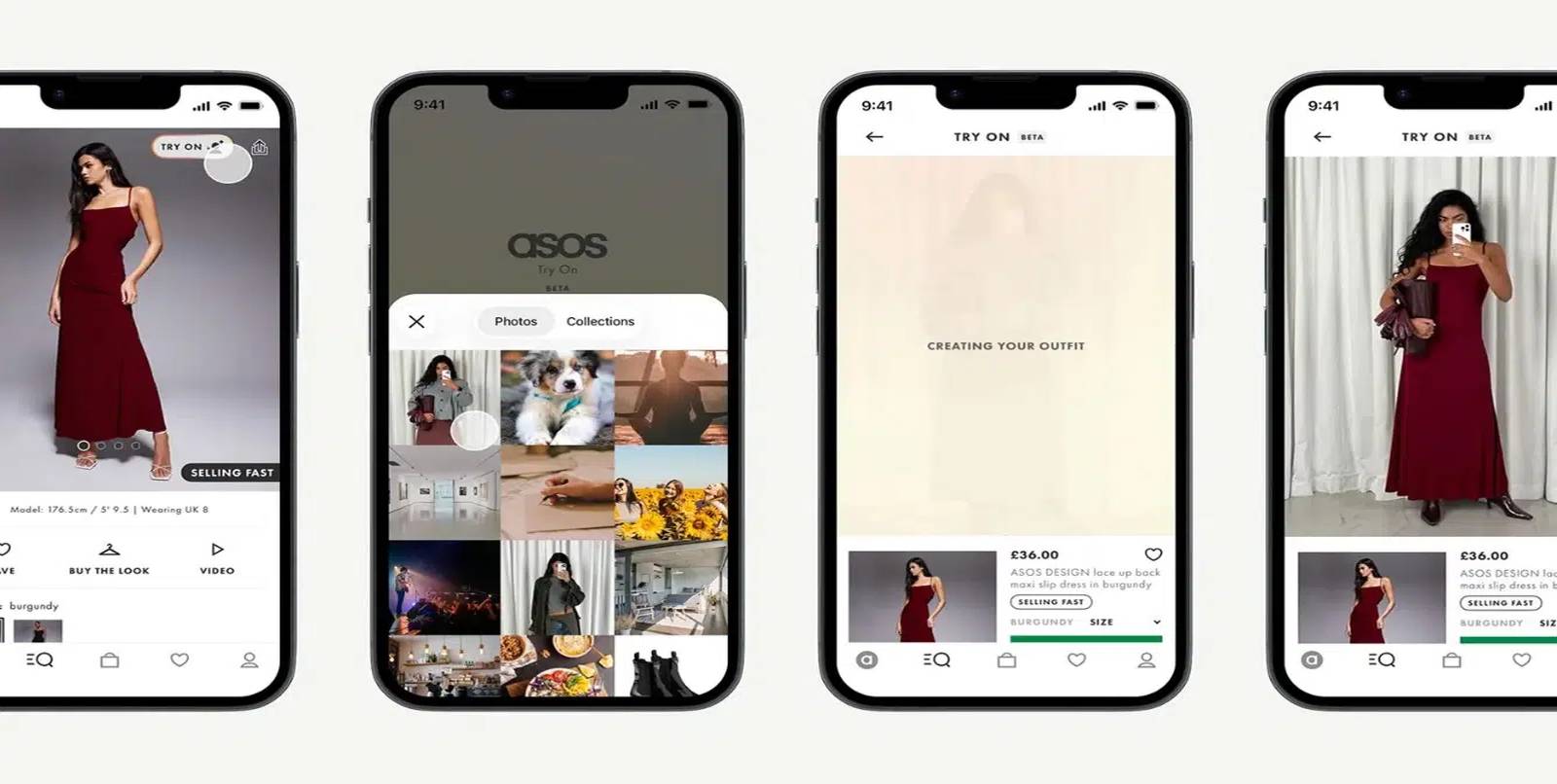
Since early 2026, ASOS has been using a hybrid virtual try-on model that gives users a choice – they can either upload a photo of themselves in order to try on clothes virtually, or they can create a digital twin based on their measurements and preferences.
Best-practice #2: Breuninger
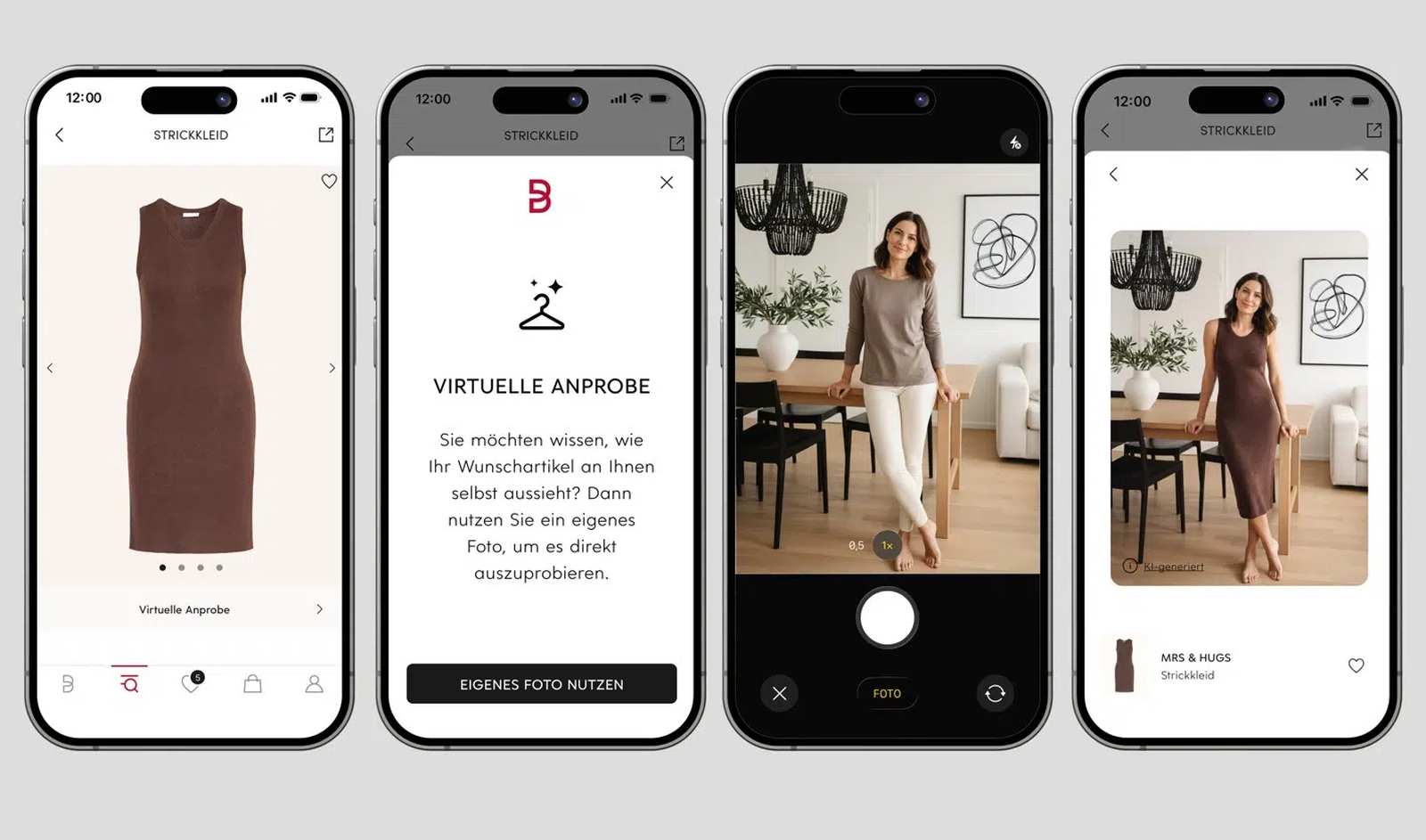
In March 2026, Breuninger became the first German fashion retailer to integrate Google’s virtual try-on technology into its app. This could serve as a blueprint for other online stores.
Best-practice #3: Maybelline
Just as clothes don’t look the same on everyone, neither does makeup. It should come as no surprise, then, that VTO technology is also popular with makeup brands like Maybelline. Once again, users can either upload photos or create a digital model. They can even use the live camera feature.
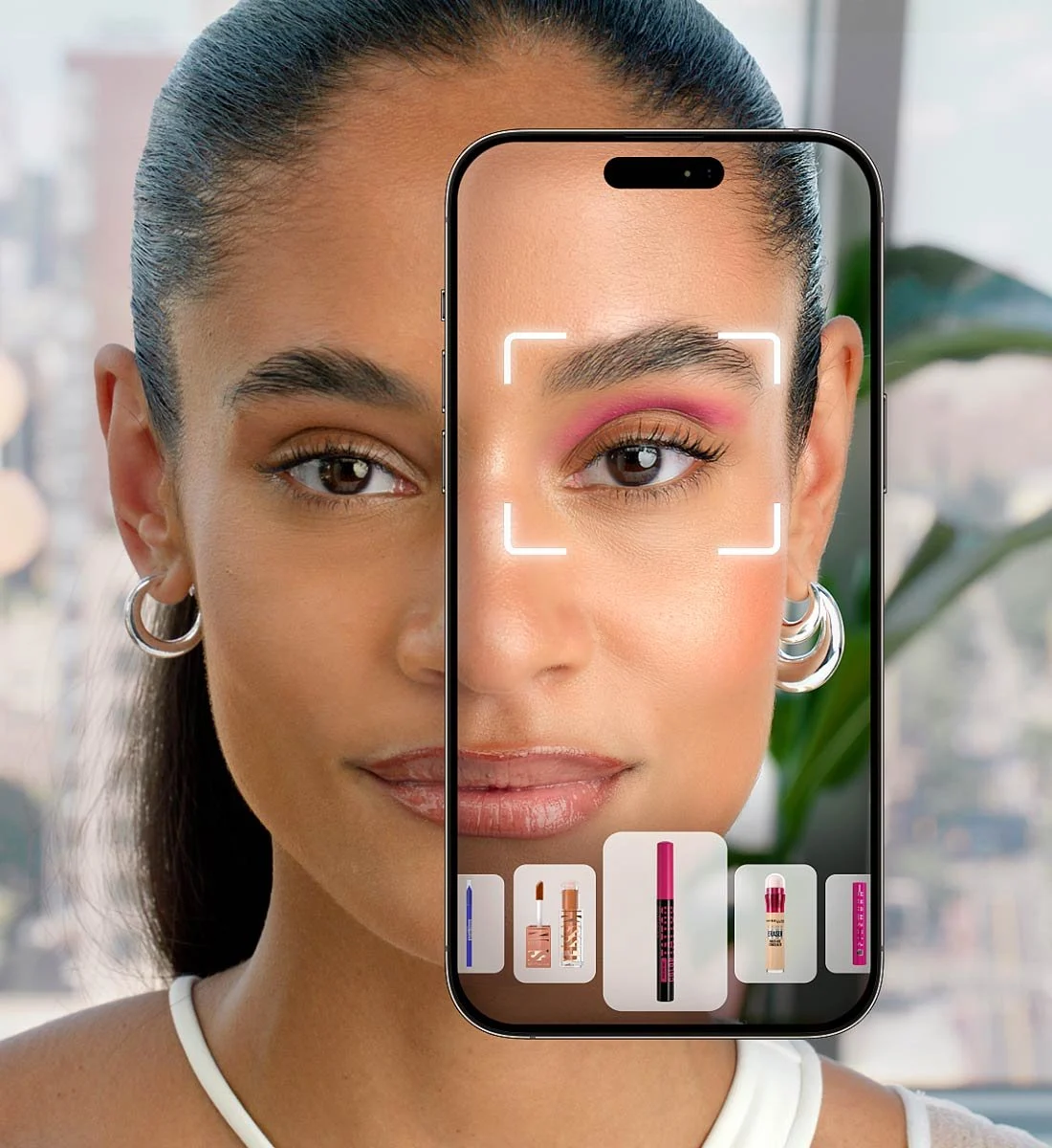
Virtual try-on in the fashion and makeup industries: A showcase for AI scalability
With its widespread implementation of virtual try-on tools, the fashion world is demonstrating how AI can be scaled successfully. This sets the industry apart as a pioneer, and the coming months will reveal what Breuninger, ASOS, Maybelline, and other brands can achieve through this approach. The fashion retail sector has realized where its focus needs to be this year. Its experiences could open up a new chapter in the story of ecommerce across all industries.
Would you like to discuss this issue with colleagues in the digital sector and pick up valuable insights into what profitable business models look like in the AI era? Then secure your ticket for DMEXCO 2026 now! The motto for this year’s trade fair for the digital economy is “Scaling Intelligence.”
Don’t miss any important news from the world of digital marketing, both nationally and internationally! Subscribe to the new DMEXCO newsletter “Digital Digest” and receive the latest information directly in your mailbox every Monday, Wednesday, and Friday.