Turning Brands into Friends: Community Building in Marketing
Overstimulated consumers and oversaturated channels: Community building in marketing can be the answer. The industry is abandoning B2C and increasingly positioning brands as friends. But how does this work in practice? Find out in our story.

Community marketing: real connections instead of superficial contacts
The world is in the midst of a period of political instability, rapid change, and uncertainty. As a result, many consumers feel a growing need for a sense of belonging and purpose.
For more and more brands, the answer to this need is simple: community building. Marketing is no longer about reaching as many people as possible. It’s about connecting the right people with each other. Brands are building their own communities or strengthening existing communities as genuine members.
Community building in marketing: increasingly critical to success
Today’s consumers are better informed, more skeptical, and less receptive to purely marketing-oriented messages than they were a few years ago. Reach alone isn’t enough to create relationships between brands and their customers; content is quickly scrolled past.
This is exactly where community building comes in: It creates spaces for conversations, participation, and shared values. Brands such as Nike and Glossier have demonstrated that long-term connections don’t emerge from campaigns but from nurturing relationships on an ongoing basis.
Brand communities explained
Not every group of followers is a community: The key feature of brand communities is that their members are actively involved in the brand’s narrative, instead of merely passively receiving messages. The biggest difference lies in how a community is perceived by its members: While an audience simply consumes, a community helps shape the brand and its content.
Community vs. audience – the crucial distinction
An audience follows content; a community gets involved. For example, members of a genuine community might create user-generated content, which is now incredibly important for digital platforms. A productive community can’t be built with a top-down approach. It needs to grow together with its members.
The 3 key elements of successful brand communities
Successful brand communities are based on three pillars:
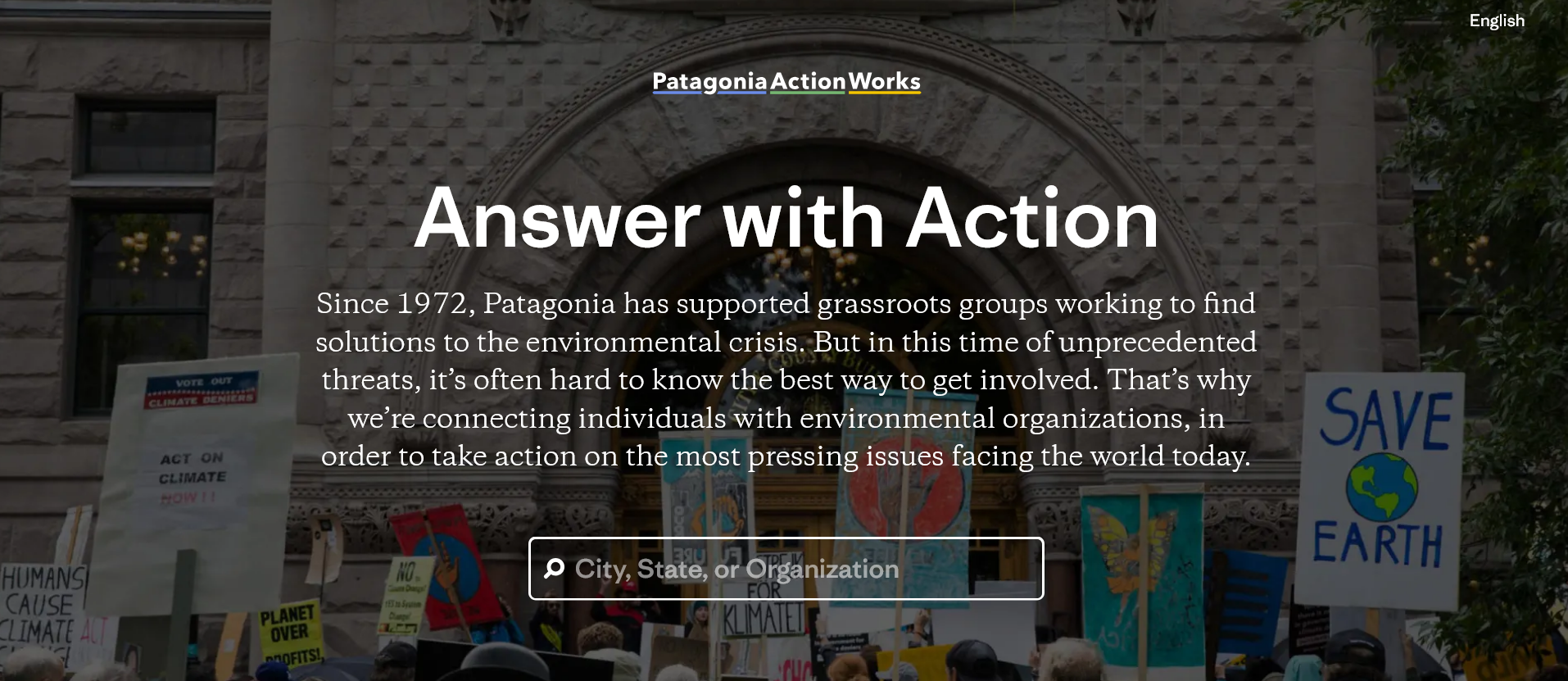
- Shared values that extend beyond products (best case: Patagonia Action Works)
- Exchanges between members and the brand as equal partners (best case: the Adobe Community)
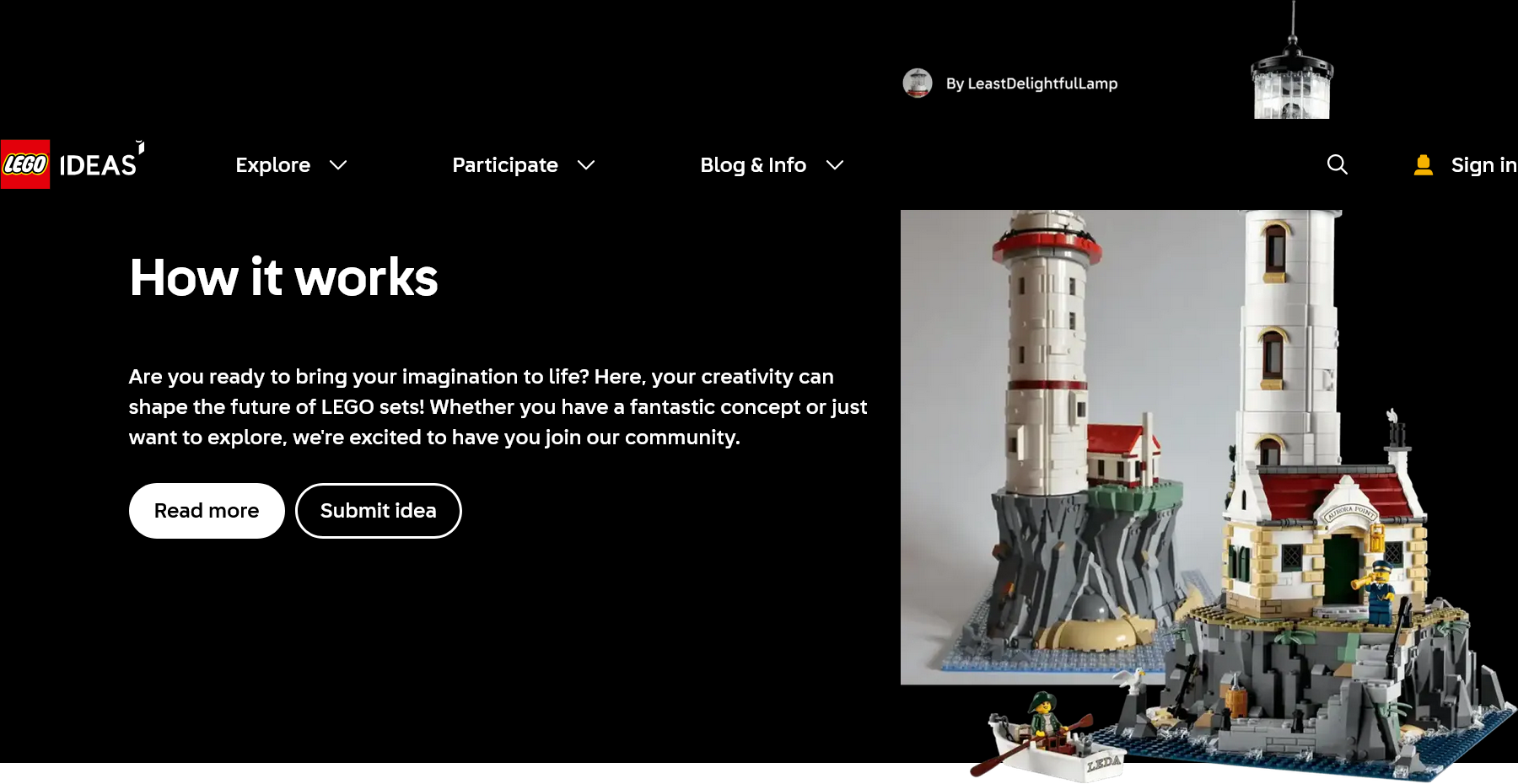
- Relevant added value that fosters identification (best case: LEGO Ideas)
Brand communities: from message sender to member
The rise of communities is also changing the role that brands play. They are becoming part of a larger whole. Instead of simply transmitting messages to customers, now they are listening to them. In forums for brand communities, they primarily assume a moderator’s role.
Community marketing: moving brands out of the spotlight
Communities don’t follow the traditional sender-receiver model. If you dominate your community, you will lose its trust. Instead, listen to your members and respond to them – this is how to build relevance.
Community-building strategy: brands’ new role
Modern brands predominantly assume three roles in community building:
- Enabling: Creating a forum for exchanges and ideas in their community.
- Hosting: Organizing online or offline events.
- Learning: Gleaning insights into their brand and products.
Successful community marketing means long-term relationship building
Community marketing is not a form of campaign – and it’s certainly not a quick growth hack. It’s a long-term commitment to nurturing relationships. You’ll need to invest time, stay consistent, and redefine how you measure success.
Why community marketing isn’t a type of campaign
With the Nike Training Club app, Nike has shown how brands can become part of their community’s daily lives without there being any link to product purchases. The relationship is the main focus, not quick conversions.
3 common mistakes in community marketing
The three biggest pitfalls in community strategy are:
- Seeing communities as content channels
- Merely pretending to offer real involvement
- Measuring success solely based on reach
Co-creation: the key to cutting-edge community strategy
A crucial element of any successful community-building strategy is co-creation. This goes far beyond getting feedback post-launch – it’s about creating genuine opportunities for members to help shape your brand’s story. And this approach has an added bonus: User-generated content performs brilliantly on social media.
The difference between co-creation and traditional feedback
In essence, co-creation boils down to one thing: Customers have a say in decisions instead of merely reacting to launches. This gives them a degree of responsibility for the brand – and that fosters an incredibly robust identification that remains strong even in the face of inflation and crises.
How co-creation sustainably strengthens brand loyalty
LEGO Ideas is an interactive community that shows how members can develop product ideas, rate them, and then actually find them on the market. This creates a strong emotional bond.
Community building in marketing: combining online and offline
Community building is a hybrid activity. Digital spaces enable scale, but it’s in-person interactions that create depth.
Creating digital spaces for brand communities
Brand communities can be built on:
- Owned platforms such as LEGO Ideas or Patagonia Action Works
- Social platforms such as Instagram or Discord (for example, Glossier)
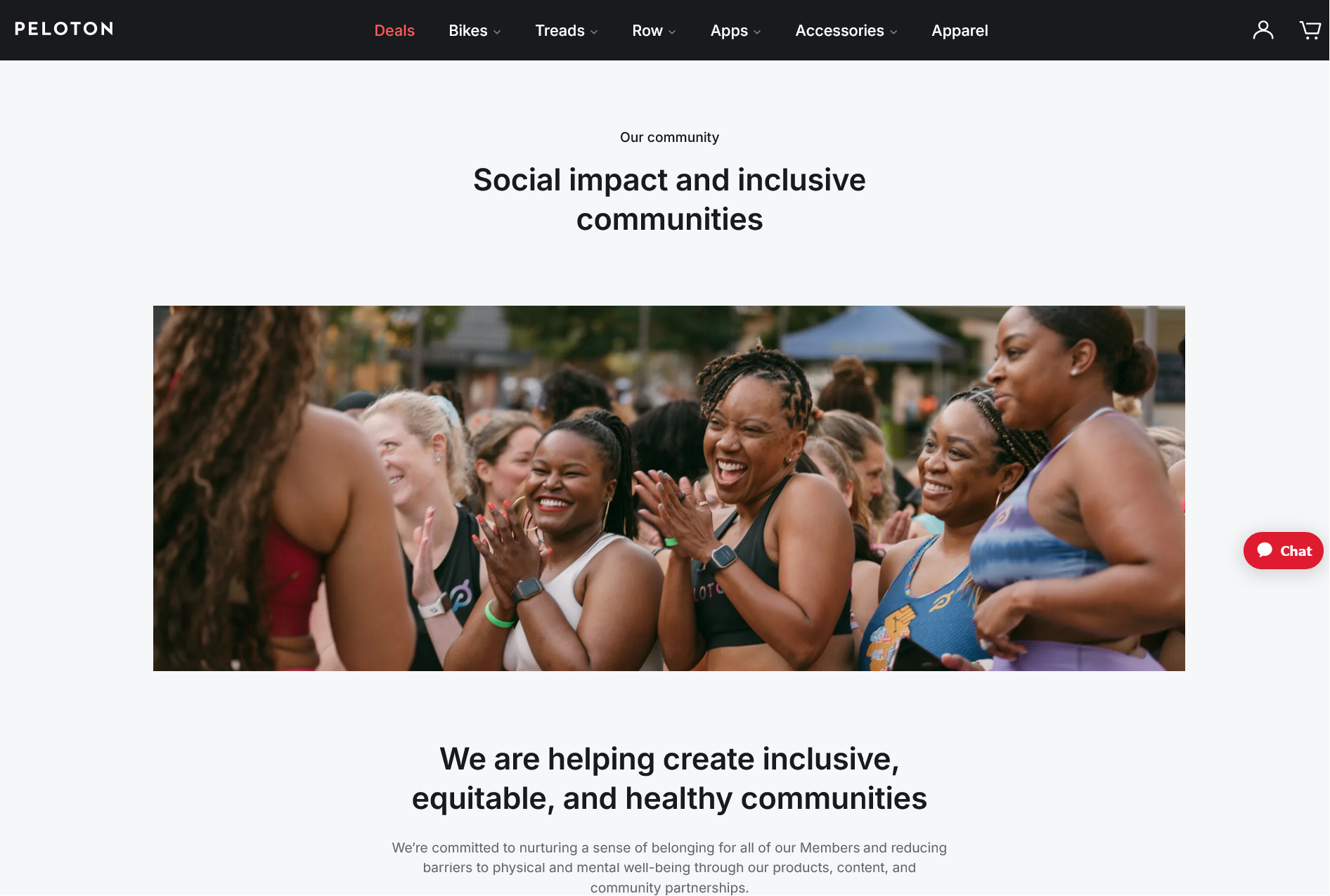
- Hybrid models such as the Peloton community
How in-person encounters strengthen community building
Physical touchpoints bring a community to life. They are a crucial foundation for scaling online communities. Some examples include:
- Today at Apple workshops
- Adobe MAX
- Airbnb host meetups
Developing a community strategy: depth over reach
A successful community-building strategy starts with clarity:
- Define your mission and added value
- Communicate your shared values
- Foster participation instead of controlling it
- Redefine your success metrics: Go for depth instead of reach
Community building: the future of your brand marketing
Going forward, the most relevant brands won’t be those with the largest reach, but those with the strongest relationships. Community building in marketing is emerging as a core competency because it is a strategic response to consumers’ changing needs and expectations. After all, what ultimately matters is not how many people see a campaign, but how many of them will stand by your brand, even in times of crisis.