CMO Responsibilities in the AI Era: New Skills, Changing Roles
CMO responsibilities are becoming more wide-ranging in the AI era. But it’s far from clear what direction the role will take in the future. Our guide explores this topic and identifies new core competencies that modern CMOs should possess.

AI tools are transforming marketing
As the AI revolution continues to gain momentum, it has also reshaped the role of marketers. CMO responsibilities have evolved: New tasks have been added, while others – especially those relating to operational processes – are becoming less significant.
In many companies, the role of marketers – and of CMOs in particular – has a much greater focus on strategy than it did just a few years ago. Marketing professionals have become decision architects with a deeper involvement in shaping teams and processes.
Prudence is a human quality
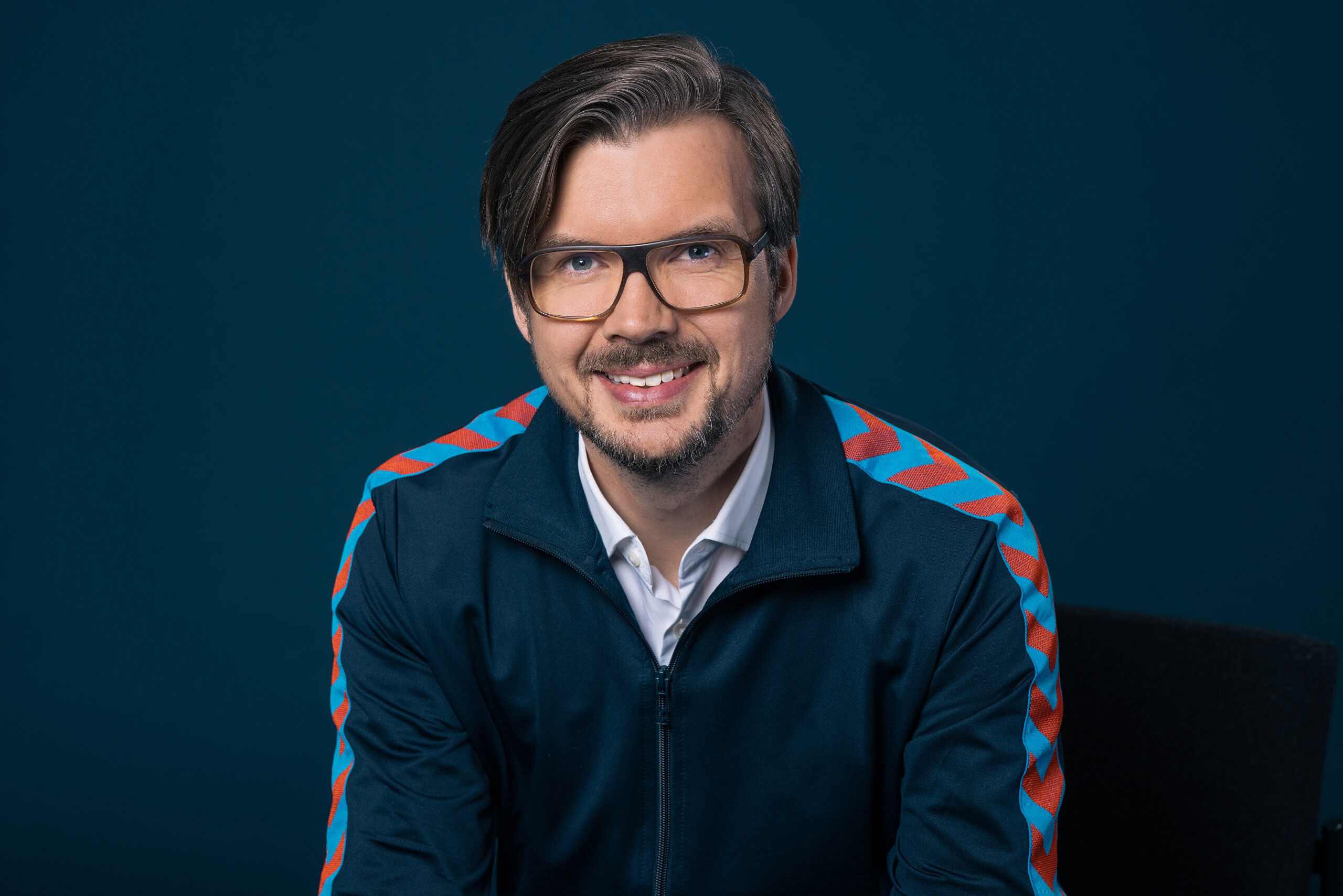
Human skills are key factors in the success of any business. It’s a point that Jens-Christian Jensen, Chief Strategy Officer at Plan.Net Group and AI Value Chain Lab Lead for the Artificial Intelligence working group at the German Association for the Digital Economy (BVDW), is keen to stress:
“When algorithms optimize marketing, human judgment becomes the most critical skill. While AI increases efficiency, marketers must pay more attention than ever to context and impact. In other words, their role is shifting from handling operational tasks to strategizing and making long-term decisions that secure brand relevance.”
Guide: How the role of CMO is changing in the AI era
In our guide, we take a deep dive into evolving CMO responsibilities, as senior marketers negotiate AI tools, new duties and future job profiles.
Discover valuable insights and answers to these key questions:
- What role does brand building play in a world filled with AI-generated content?
- How accountable are marketers for the output of AI tools?
- Is the role of CMO still relevant today?