Social 2026: As If Someone Briefly Pulled the Plug
A DMEXCO column by Timo Sander and Paulina Schumann on Social Media 2026, caught between nostalgia and the future.
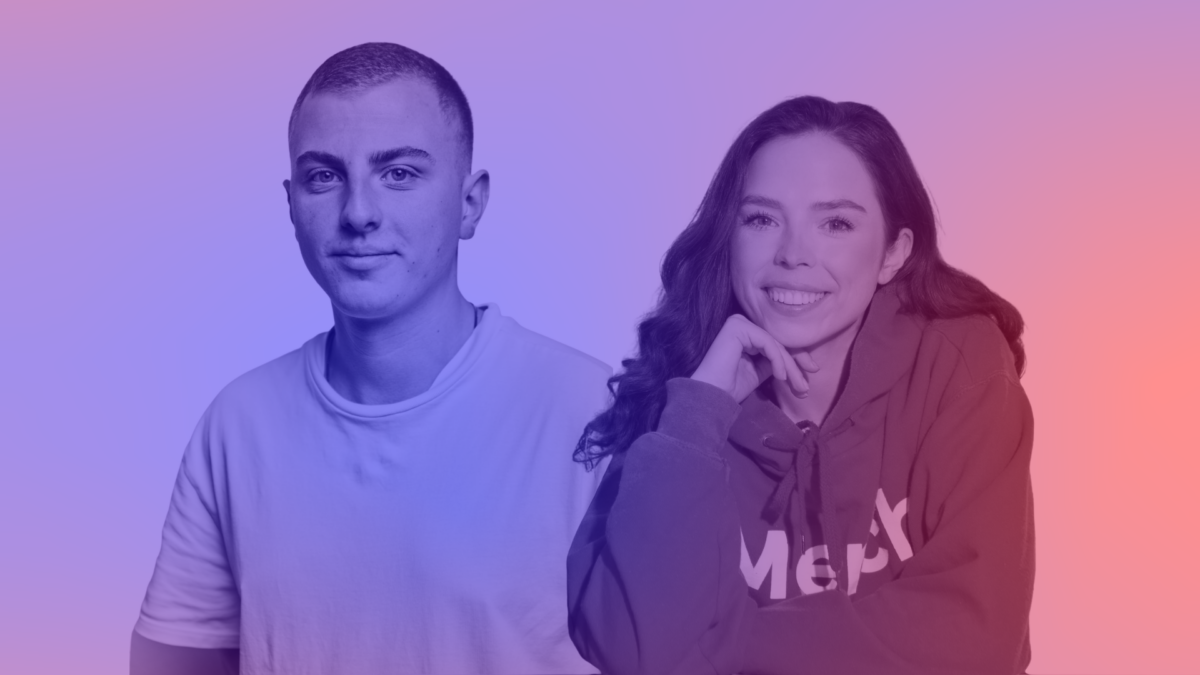
“2016 = 2026” Trend: Dialect, downtime, and the new “Human Made” organic label
It feels like social in 2026 is downshifting two gears while rewinding time. The feed is suddenly less “hustle harder” and more “hang on, I’ll chop some firewood and tell you a story while I do.” Between AI slop, nostalgia waves, and hyperlocal micro-spheres, a new mainstream is emerging: smaller, slower, more human. Five observations we can’t shake right now—and why 2016 suspiciously feels like 2026.
#1 Dialect-native micro-creators: When “sauguad” suddenly becomes a content strategy
The new trust anchors don’t live in glossy lofts—they live next door. In 2026, dialect isn’t a gimmick; it’s a social signal: closeness, roots, attitude. Bavarian kitchen shorts, Swabian how-to hacks, Low German POV stories from the village—locality beats perfection. And honestly, “sauguad” is a better hook than any generic “Hey guys!”
#2 Analog sanctuary livestreams: The internet watches you be offline
Hours-long streams of splitting wood, baking bread (yes, still), and knives singing along a whetstone. The feed is trying what the meditation and yoga hype has preached for ages: real deceleration. We call it the paradox of the present: digital detox, broadcast live. And the shift to long form isn’t new—YouTube long-form has carried this format for years; in 2026 the rest of the social ecosystem is catching up.
#3 No-hustle diaries: Setting boundaries is the new flex
The new status update? “I’m offline—workday’s over.” Four-day-week routines, Slack on Do Not Disturb, the work phone stays in the hallway: rest becomes a status symbol. In the feed that looks like end-of-day check-ins, Sunday story gaps, and “what I didn’t do” recaps. 2026 rule of thumb: prioritize sleep and me-time.
#4 “Human made” as the new organic label
Where there’s a movement, there’s a counter-movement: the more AI slop floods our feeds, the more “human made” becomes a cognitive organic label. Not because AI disappears—but because what’s rare counts again: real hands, real voices, small mistakes.
#5 2016 = 2026: Back to the future
Suddenly, 2016 is back. Not one-to-one: more like a well-made remix. t.A.T.u.’s “All The Things She Said” is popping back up in playlists, bringing that bittersweet teenage mirror-gaze with it (credit to Heated Rivalry). Silhouettes are shifting too: skinny and low-rise jeans are making a comeback; fashion titles and insiders openly talk about a 2026 revival. And yes: lots of people are posting their “2016” pics again. Why does it hit? Because 2016 feels to many like the last “light” internet era: pre-pandemic, pre-constant-optimization, less AI. Nostalgia here isn’t an escape—it’s an anchor. We’re pulling a few old routines back in (songs, cuts, outfits, trends) to feel a bit of control and togetherness now.
What it all adds up to:
- Local beats generic.
- Slow beats loud.
- Breaks beat performance.
- Imperfect beats indistinguishable.
- Nostalgia sets the tone for the present.
The bigger shift behind these five trends is simple: we’re retraining our sensitivity. After years of algorithmic overstimulation, people are looking for signals that can’t be faked.
What that means for brands in 2026:
- Get smaller to feel bigger. Build micro-communities with their own dialects, running
- jokes, and rituals.
- Plan “long” formats inside the short-form ecosystem.
- Sign your work with a human touch—not as a badge in the top right, but with real
- substance.
- Play with nostalgia and remixes.
Rediscovering 2016 trends in the social era of 2026
Bottom line: 2026 isn’t a return. It’s a rediscovery—one that also shows up in everyday social media use. Dialect, downtime, “human made”, these aren’t fads; they’re antennas. If you extend them, you’ll pick up more than reach: resonance. And that lasts longer than any watch time.
Timo has found the answer to the new social-first reality with the agency JUSTADDSUGAR and helps major brands such as REWE and congstar achieve real growth through social media. The more than 110 Sugars see themselves as creative social all-rounders and bring everything a brand needs in social media to the table.