Big Event, Small Budget: Win with FIFA World Cup Marketing
In 2026, the biggest spectacle in international soccer heads to the USA, Canada, and Mexico. But with FIFA World Cup marketing, success for brands won’t be decided in North American stadiums, but in the everyday lives of fans in their home markets.

FIFA World Cup marketing: Time difference presents an opportunity
The time difference between North America and Europe changes the rules of the game when it comes to your FIFA World Cup marketing. Audiences in Europe will have to wait until late in the evening – or even the early hours of the morning – for many matches to kick off. This opens up entirely new touchpoints for local brands, from midnight snacks in front of the TV to watching on second screens on the couch, all the way through to “tired at the office” vibes the next day.
Today, brands operate along a highly digitalized fan journey. Especially outside the realm of high-priced, official sponsorship tiers, this has given rise to all kinds of creative ways to engage fans in their home markets – activities that don’t require a FIFA sponsorship budget and often generate more attention than the multi-million-dollar deals signed by the major tournament partners.
What is permitted and what is prohibited in the DACH region?
If you want to advertise your business in connection with the World Cup but without a license, you should be aware of the legal constraints. FIFA, the organizer of the soccer World Cup holds extensive global trademark rights. In addition to its own name, terms such as “FIFA World Cup™” and “World Cup,” the mascots, as well as phrases like “World Cup Beer™,” “MUNDIAL 26,” and “WE ARE 26” are protected by trademark law. Breaches may lead to cease-and-desist letters and claims for damages. The tournament organizer takes a hard line against even minor trademark infringements, wherever in the world they occur.
Using official emblems or images of the World Cup trophy, giving the impression of being in partnership with the organizer or holding a prize draw to win World Cup tickets are all strictly off-limits.
However, certain things are permitted, such as:
- Promotional offers like “Get a X percent discount for every goal scored by the German national team”
- General store window displays featuring logo-free flags and jerseys
- Soccer-related messages with no direct reference to FIFA or the official tournament branding
- Creating your own fixture lists
Boost brand profile even without official sponsor status
Your gateway into FIFA World Cup marketing isn’t via stadiums but rather through fans’ everyday lives. If you appear at the right moment with the right format, you can build a level of visibility and brand engagement to rival that of an official sponsor.

Timucin Güzey (Mindshare), Deputy Chairman of the Media Agencies working group at the German Association for the Digital Economy (BVDW), offers further insights into the situation:
“As a brand, you don’t necessarily have to be a FIFA partner to capitalize on World Cup fever. What matters is making a smart move by combining bold creative development with targeted media as part of an integrated marketing strategy. This might include legally permissible piggybacking activities involving context-sensitive ad placements in digital out-of-home media or CTV, where brands can raise their visibility within a setting that’s popular with fans. Relevance is king here – brands that are able to natively link their message to the World Cup vibe will win big, even without a multi-million-dollar budget.”
Ambush marketing: Relevance without licensing fees
The most successful examples of how relevance isn’t dependent on budget come from brands practicing what’s known as ambush marketing. In past tournaments, for example, Nike achieved enormous media exposure without being an official sponsor – partly by focusing on telling emotional soccer stories unrelated to the action in the official venues. Similarly, shopping portal Wish ran World Cup commercials featuring global stars like Neymar and Bale without official sponsor status – attracting a flood of new customers.
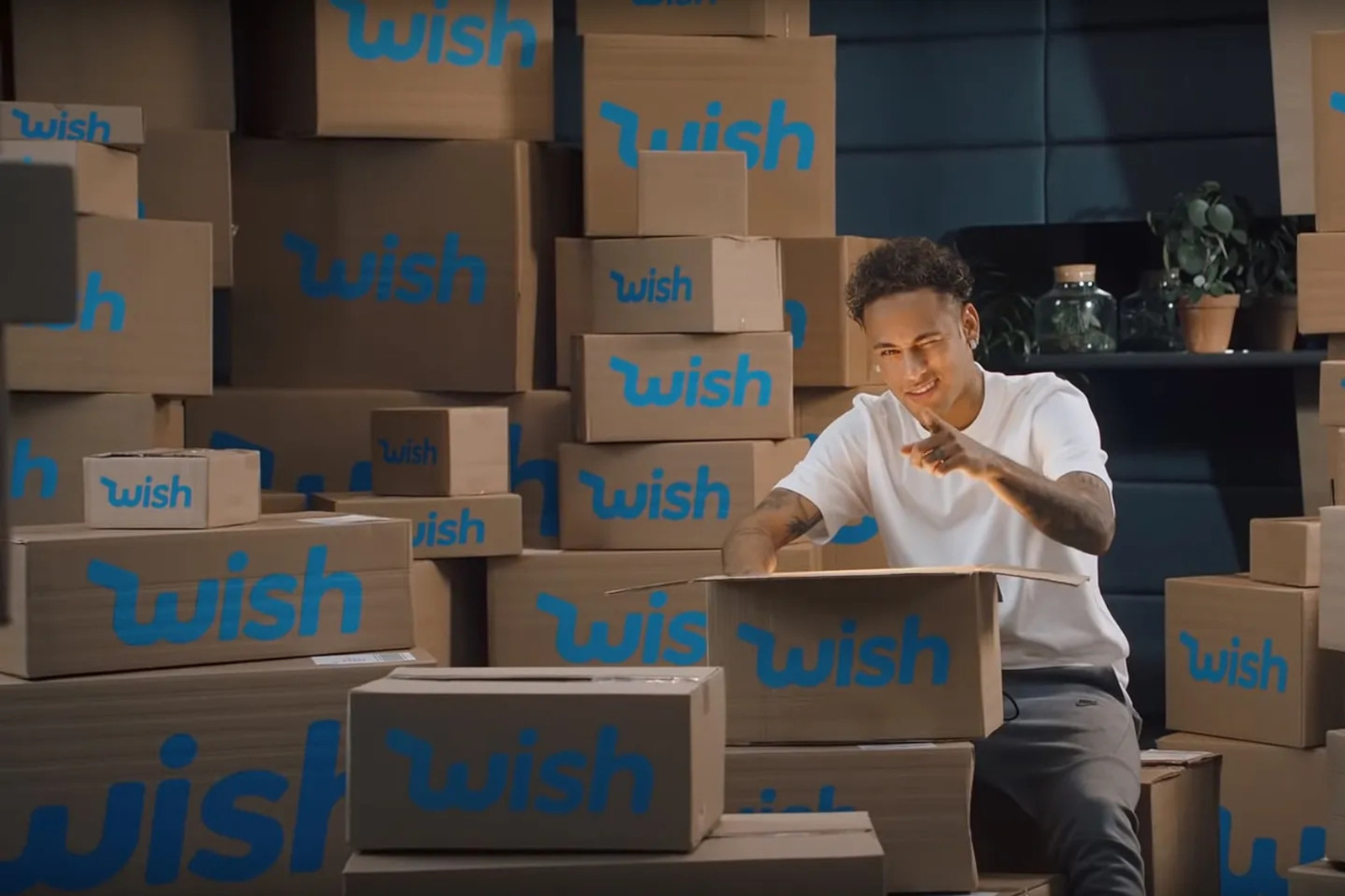
The principle underlying this approach is that brands able to capture the emotional spirit of a tournament without using trademarked symbols or terms can take advantage of World Cup fever in their marketing communications.
Real-time content for the night shift
When matches take place at night, feeds become the number one source of news the next morning. With smart timing, even brands that haven’t paid for the rights can still score big. Thanks to dynamic creative optimization (DCO), you can adapt your ads to the night’s results, and social listening will keep you up to speed on the issues that are getting fans talking from game to game.
Hijacking relevant conversations is particularly effective: humorous reactions to key moments in the match, brands that respond to fans’ morning weariness or delivery services promoting pizzas for extra time. If you bring creators on board ahead of time to craft morning recaps or nighttime live reactions, you’ll benefit from their authentic connection to soccer fan communities.
Guerrilla marketing and ambient media closer to home
Instead of focusing on expensive DOOH advertising space in the North American host cities, attention is shifting to local touchpoints. Guerrilla marketing is perhaps the most underrated tactic you can use during this World Cup summer – deliver your brand messages directly where the fans are with chalk art ads along the routes to major public viewing venues in European cities or creative installations near sports bars and fan zones.
Local geo-fencing is another budget-friendly strategy to consider. Instead of running nationwide campaigns, you can target the delivery of your social media ads in the vicinity of public viewing areas, major office locations, or university campuses to reach the most active fan communities.
Budget-friendly strategies
Not every marketing initiative needs a large production budget. Digital fixture lists (which you’re allowed to create yourself) can be used as lead magnets for B2B and B2C newsletters. User-generated content (UGC) campaigns, where fans share photos of their living room “stadiums” or tired faces in the morning, foster a sense of community without high media costs.
Sponsorship of local soccer podcasts is also significantly cheaper than traditional TV advertising and can reach a highly engaged target audience that tunes in before or after games. And then there’s employee advocacy, which mainly calls for creativity – but won’t drain your media budget. Why not have employees wearing team jerseys serve as authentic content creators – either working from home or in “office fan mode”?
Conclusion: Soccer World Cup marketing options on a small budget
When it comes to 2026 FIFA World Cup marketing, the winners will be determined by smart strategies, not big budgets. From a European perspective, the fact that the tournament is taking place so far away means that the triumphant brands will be those that capitalize on big fan moments in their own country, respond to the time difference and consider the legal constraints on their marketing communications.
The trick lies in capturing the tournament atmosphere and making it part of fans’ everyday lives close to home – in ways that don’t require a FIFA sponsorship deal.
Don’t miss any important news from the world of digital marketing, both nationally and internationally! Subscribe to the new DMEXCO newsletter “Digital Digest” and receive the latest information directly in your mailbox every Monday, Wednesday, and Friday.