Insight Out: Malte Hildebrandt on the Importance of Quality Journalism
Clarity, brand, and video: In a conversation at DMEXCO 2025, Malte Hildebrandt explained why DMEXCO is indispensable, why long-term brand investments take precedence over short-term performance, and why quality journalism is so crucial for a well-functioning society.
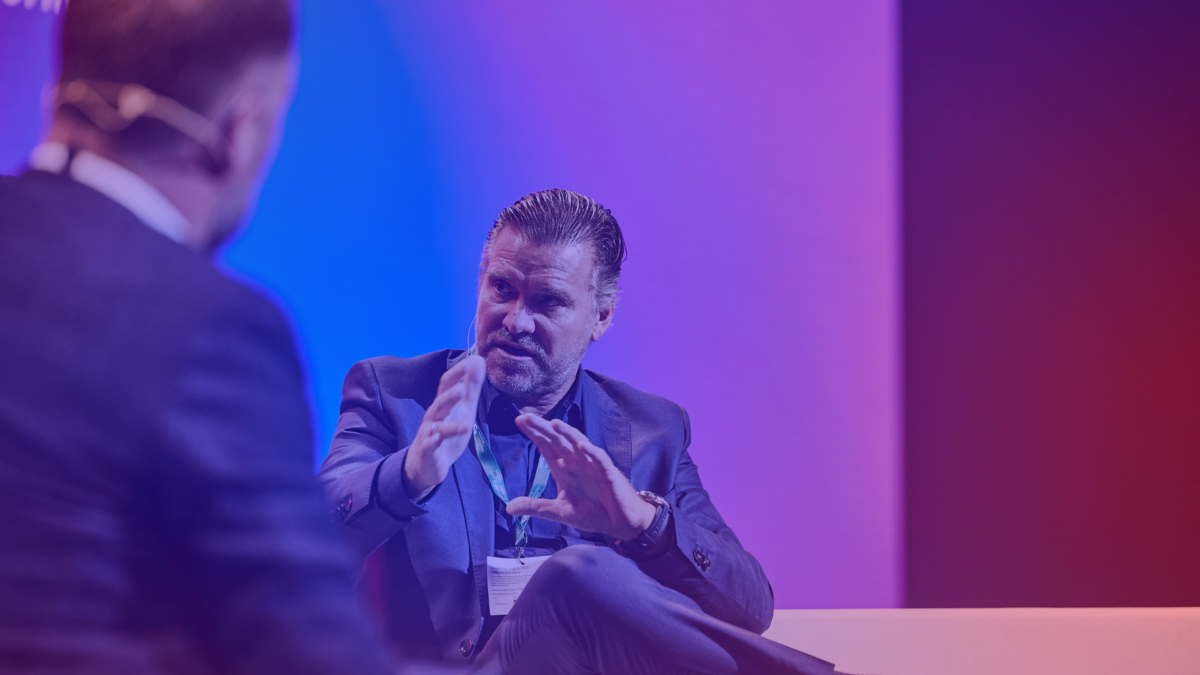
Marketing’s Boldest Voices: Rethinking Brand, Video, and Responsibility Together
In our series “Insight Out: Marketing’s Boldest Voices,” leading thinkers share their experiences and ideas on how purpose, organization, and measurability intersect — and what bold decision-making looks like in practice.
About Malte Hildebrandt
Malte Hildebrandt has been Managing Director of Screenforce, the industry initiative of TV and video marketers, since 2021 and previously served as its CMO. Before that, he held senior roles at ProSiebenSat.1, including Managing Director of Marketing at SevenOne Media, founder and Managing Director of SevenOne AdFactory, and CMO at ProSiebenSat.1 TV Deutschland.
What makes DMEXCO so special for you, and why is it the right place for Screenforce?
DMEXCO has been the meeting place for the digital industry for many years, making it an essential part of our event calendar. It allows us to reach media decision-makers, planners, and brand managers with our topics — and to show them, in direct conversations at our booth or through the program on the “Future TV Stage,” just how digital TV has long since become a powerful advertising medium. As a media genre, we’re a perfect fit for DMEXCO; after all, video is considered the “king’s discipline” in media planning — something confirmed not only by the annual OWM forecasts. Despite its size and the usual trade show bustle, DMEXCO gives us space for meaningful conversations and genuine connections.
If you had to rethink your marketing from scratch — what would you change first?
I would start by putting the brand consistently at the center of all activities. In recent years, the pendulum has swung heavily toward data-driven performance, but that seems to be shifting now. Major advertisers like Nestlé and E.ON have announced that they plan to reinvest more in brand building and brand development. And there’s no better place to do that than through emotional storytelling on the big screen.
Marketing expert Peter Field summed it up perfectly in a recent, highly recommended piece: campaigns from brands that rely solely on performance marketing are only one-third as effective as campaigns that deliberately invest in brand building. That should give every CMO something to think about.
What strategic question concerns you most when you think about 2026?
There’s still plenty of debate about what the “right” communication channel is. I believe we need to stop thinking in silos or channels. The starting point should always be a brand’s message. Only then should we ask: “Where can I communicate this message most effectively?”
Video advertising is a highly powerful lever. It’s well known and widely proven that TV advertising anchors brands in people’s memories and builds strong associations. But TV also works in the lower funnel, as our study “From TV Screen to Action” shows. The study examines the impact of TV advertising on website visits. Our analysis reveals the uplifts achieved during a TV flight and how sustainable these effects are. Many people may not even be fully aware of this connection.
What would you most like to say clearly and directly to the marketing industry?
I want to speak up for quality journalism in Germany. What would happen if it no longer existed tomorrow? If there were no serious, fact-based reporting? We would be handing over the entire power of interpretation to social media — and in my view, that would be a disaster. TV is the glue that holds a society together. A democracy needs strong TV broadcasters just as much as it needs strong publishers and radio stations. In the end, it’s about societal responsibility. My appeal to advertisers is this: be part of it! Support quality journalism. Invest. So that we can continue to live in an informed, stable society in the future.
By the way: studies by Ad Alliance and Visoon show that advertising in journalistic environments is effective and can strengthen brand perception — even in serious news contexts. The worry some advertisers have about negative spillover effects from “bad news” on brand perception is completely unfounded. The credibility of the environment is what matters. Consumers trust traditional media far more than social media, which is plagued by fake news — not to mention the already limited attention span people have on those platforms.