Talent Development in Marketing: Why Real-World Cases Matter More Than AI
AI is changing the pace at which marketing is created. Young marketers don’t learn through increased output, but through real-world decisions, challenges, and case studies. Why talent development today needs real conversations and authentic content, rather than yet more tools.

AI makes marketing faster. But not necessarily better.
We’re currently teaching young marketers to produce content faster, but not necessarily to make better decisions.
AI is changing how marketing is created. What used to take days or weeks can now often be initiated in minutes: copy, variations, analyses, ideas, visuals, concepts. Many things are becoming faster and more accessible.
That’s progress. No question about it. But speed isn’t judgment.
Because the crucial questions in marketing rarely arise solely within the tool. They arise in meetings, in brainstorming sessions, in budget discussions, and not least in the coordination between brand and agency. For example, when an idea sounds good but is hard to sell. Or when all the numbers look good, but your gut feeling still says: Something is missing.
AI can identify patterns and accelerate output. But it wasn’t there when a team had to defend an idea. It doesn’t know the moment when timing shifts, approvals stall, risks escalate, or a campaign suddenly hangs in the balance.
Those expected to take on more responsibility need more than operational tasks and good tools. They need to understand why campaigns work and why they sometimes almost failed.
AI can accelerate output. But it doesn’t replace the understanding of why marketing decisions work.

Real-world case studies reveal what no prompt can capture
Many case studies look polished from the outside. A good idea, a polished case film, strong numbers, a takeaway. Everything seems perfect. But it rarely is.
Good campaigns emerge between planning and losing control. Between strategy and gut instinct. Between business goals, creativity, approvals, timing, budget, and people who take responsibility at decisive moments.
That’s exactly why real cases are so valuable: they reveal the decision-making logic behind the result.
These three cases reveal what no prompt can capture.
Foodboom x Old Amsterdam
Old Amsterdam shows that strong marketing doesn’t always need the biggest fireworks. Sometimes, good craftsmanship, a well-thought-out strategy, and a genuine cultural fit are enough. In the end, it’s not the loudest campaign that wins, but the one that solves the right business problem.
Especially in an age when attention is often confused with volume, this is an enormously important shift in perspective.
Gocomo x Wrigley’s Extra
A campaign contract that isn’t signed until after the first day of shooting. A production that’s already well underway. A risk that suddenly looms very real on the table.
Moments like these rarely make it into case studies. And yet, this is where the biggest lesson lies: marketing means taking responsibility before everything feels safe.
Young marketers don’t just learn from successes. They learn from the moments when ideas waver, budgets are defended, risks are weathered, and decisions are made.
Charles & Charlotte x Penny
A case that just won two gold awards at the German Digital Awards and illustrates why real-world cases matter.
50 sheep, a PENNY supermarket, a lot of attention, strong numbers.
What you don’t see is the courage it takes to turn a potential backlash into a lovebrand moment instead of smoothing it over.
The results speak for themselves: 30 million euros in earned media, 13 percent more revenue for PENNY Burgsinn, 6 percent more revenue for PENNY Germany, and 69 percent more brand popularity nationwide.
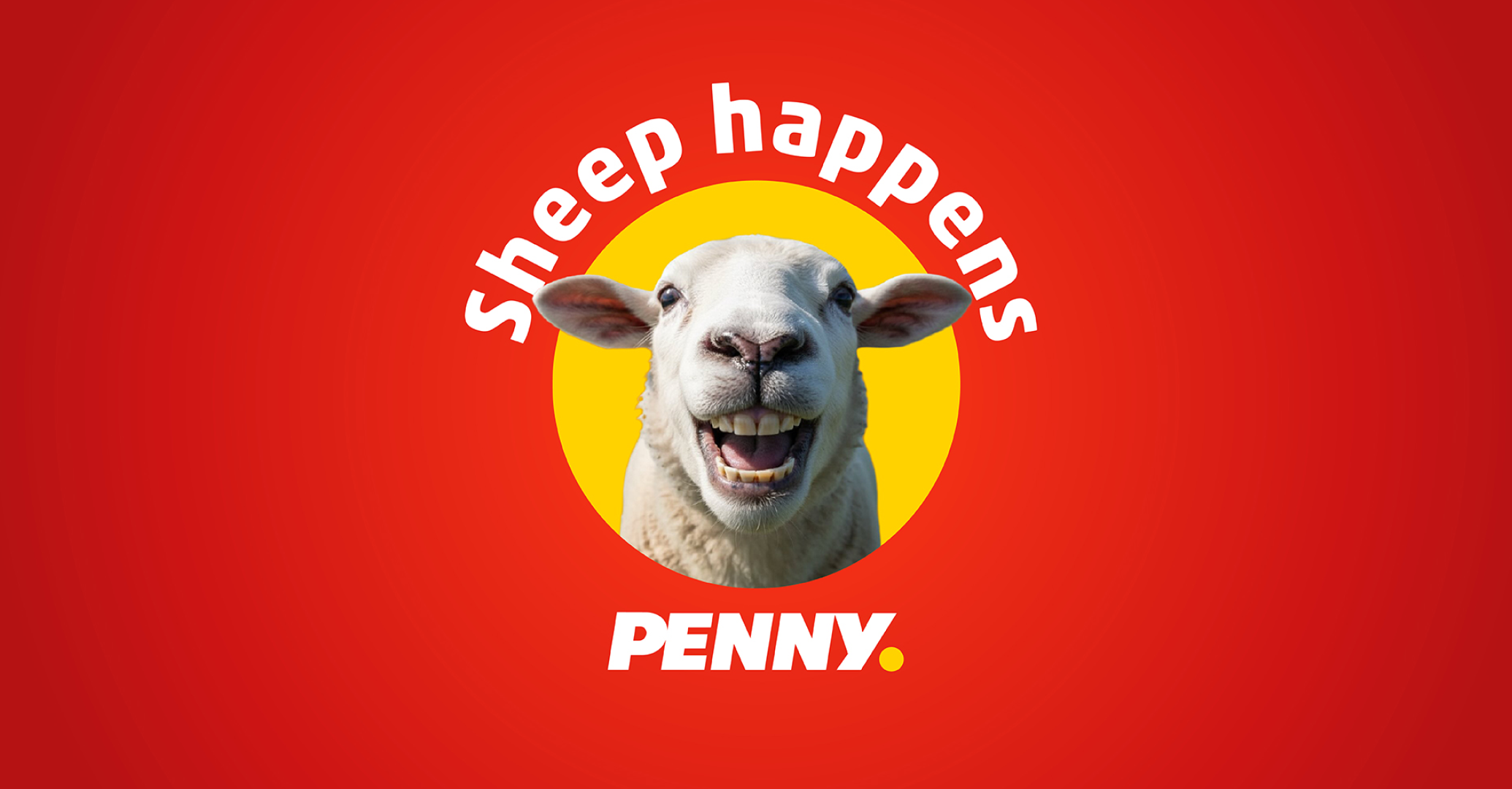
The real lesson lies in the decision made beforehand not to smooth things over, but to weather the storm, turn it around, and make it big.
Real-world case studies show what worked—and at the same time, what had to be endured, decided, and defended along the way.
The next generation of marketing talent needs authentic, human spaces
If you want to prepare young marketers for responsibility, you won’t get very far with more content and more production pressure. They need spaces where real decisions become visible and discussable.
Development comes from input, but just as much from peer exchange. Through conversations with people bear similar questions and responsibilities.
That’s where conversations become more honest. When young marketers openly discuss uncertainty, client pressure, internal friction, and real learnings, the exchange goes far beyond mere networking.
If you want to retain and develop top talent, you have to give them real access. The next generic training session is rarely enough to achieve this. What matters are perspectives they rarely get in day-to-day work: other brands, other agencies, and real-world cases.
NXTGEN Cases was created precisely with this mindset in mind.
On June 11, 200 young marketers from brands and agencies will come together in a curated space in Hamburg. It’s about real numbers, mistakes, lessons learned, and campaigns that reveal what usually gets cut out.
Cameras will be covered, phones will go into envelopes. The focus remains in the room. It creates more focus and more open conversations. Young marketers aren’t there to consume. They’re there to listen actively, ask open-ended questions, and put things into context.

The support from strong industry partners such as BVDW, GWA, HORIZONT, and DMEXCO underscores this very stance. How young talent develops is no longer just an HR issue. It affects the future of the industry.
“Anyone who wants to develop groundbreaking campaigns in the future needs more than just the right tools: it’s experience, knowledge, and an instinct for brand strategy that make the difference. The best way to learn all of this is from real campaigns and award-winning creatives who take you behind the scenes of the creative process. That’s why formats like NXTGEN Cases are so valuable for aspiring marketing talent.”
The next generation doesn’t need more content. It needs access to real decisions.
If you have people on your team who are expected to take on more responsibility in the coming years, it’s not just about the tools they use. It’s about the decisions they’re allowed to see.
NXTGEN Cases is a space for exactly these people. For marketers with bigger ambitions. And for employers who don’t want to leave development to chance.